Iris Coloring 3D Popup Card for Paper Flowers and Branding
As a brand designer who’s worked with local businesses across various industries—florists, boutique owners, coffee shops, and handmade product creators—I always look for design assets that not only look great but also serve the brand's personality and practical needs. Recently, I reviewed the Iris Coloring Popup Card, 3D Flower Card, and it stood out as a versatile, thoughtful graphic design asset for small business branding and product presentation.
A Delicate Touch of Elegance for Feminine and Handmade Brands
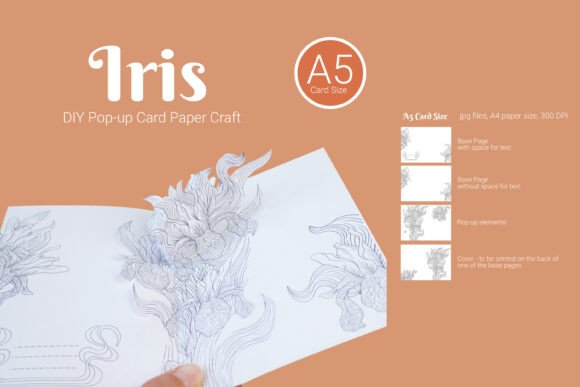
The first thing I noticed about this 3D flower card is its soft, hand-drawn quality. The irises are rendered in a way that feels organic yet refined, suggesting a brand identity that values creativity, care, and attention to detail. This design has a gentle, feminine energy that could easily align with a boutique store, a handmade soap business, or even a seasonal campaign from a local bakery.
While it may not scream "corporate," the Iris Coloring Popup Card does offer an elegant mood suitable for brands aiming to evoke warmth, authenticity, and a personal touch. It doesn’t feel overly playful like some floral designs might, nor is it starkly modern—it strikes a balance between artisanal charm and professional appeal.
Practical Applications in Local Business Design
What makes this design truly valuable is how well it can be integrated into real-world branding projects. Here are several ways I envision using the Iris Coloring Popup Card in my upcoming work:
- Product Packaging Accents: Adding a pop-up iris to gift boxes or packaging inserts gives a sense of surprise and delight. For a candle brand or a home decor shop, this could enhance the unboxing experience.
- Thank-You Cards: The interactive nature of a popup card makes it perfect for handwritten thank-you notes or personalized greetings. A skincare brand or florist could use it as a premium customer appreciation token.
- Seasonal Campaign Graphics: Whether it's springtime or a special holiday, these paper flowers can add visual interest to promotional materials without being too literal or over-the-top.
- Editorial and Web Design Elements: As a decorative element on website banners, social media headers, or printable flyers, the iris motif can subtly reinforce a brand's theme of beauty and craftsmanship.
- Hang Tags and Labels: When scaled down, the iris illustration works beautifully as a label accent or hang tag design, especially when paired with minimal text for a clean visual hierarchy.
Supporting Stronger Brand Presentation and Customer Trust
Graphic design assets like this one help elevate the overall brand presentation. When used thoughtfully, they contribute to stronger first impressions and better product recognition. The Iris Coloring Popup Card brings a level of professionalism to handmade or craft-based products that many small businesses lack due to budget or resource constraints.
For example, if I were working with a local tea shop launching a new line of herbal blends, this iris illustration could become part of their packaging design. It adds a layer of sophistication while maintaining the natural, organic vibe the brand wants to communicate. That kind of emotional connection is crucial in today’s market, where customers often choose based on aesthetics and values alike.
Where This Design Shines Brightest
Certain areas of branding will benefit most from this particular asset. Based on my evaluation, here are the top spots for incorporating the Iris Coloring Popup Card into a small business branding project:
- Hero Graphics for Product Mockups: The boldness of a 3D popup card makes it ideal as a hero image for showcasing items in digital mockups or Canva templates.
- Printable Inserts in Packaging: Including a folded iris card inside a product box can create a memorable moment for the customer, reinforcing brand loyalty through tactile interaction.
- Boutique Visuals and Store Displays: These cards can be used as part of in-store signage or hanging decorations to bring a cohesive, artistic feel to the space.
- Social Media Campaigns: Whether as a background for product photos or part of a seasonal post, the iris design adds a decorative flair that stands out in feeds and stories.
Use with Caution: Avoid Overuse in Formal or Text-Heavy Contexts
While the Iris Coloring Popup Card is visually appealing, there are situations where it may not be the best fit. For instance, formal corporate branding projects would likely find this design too whimsical or lacking in seriousness. Similarly, when applied to very small labels or ingredient-heavy layouts, the detailed nature of the irises can become overwhelming and distract from key information.
I also recommend avoiding it on low-contrast backgrounds unless you're intentional about the aesthetic outcome. The JPEG format means it won't scale perfectly at every size, so testing it on smaller dimensions is essential before finalizing any print material.
Designer Notes: Best Practices for Real Projects
Here are a few practical tips for integrating this asset into your next branding or packaging project:
- Test it on real packaging mockups: Before sending anything to print, assemble a sample to see how the iris looks in person and whether it holds up after cutting and folding.
- Check black and white usage: If your brand uses monochrome visuals, ensure the iris still conveys the intended message and style without color.
- Preview on small labels: Because this is a JPEG file, it may lose clarity at smaller sizes. Always review how it appears on tags or stickers before going full-scale.
- Test with brand colors: Overlay the iris onto your brand’s color palette to ensure it complements rather than clashes with existing design elements.
- Review PNG transparency: If you plan to use it digitally (e.g., on a website banner), confirm whether the provided PNG files have transparent backgrounds for easy integration.
- Inspect vector editability: Although the files aren’t SVG, designers looking to modify the shape or structure should note that manual editing will require more effort due to the JPEG format.
- Compare with competitor packaging: Use the iris design as a differentiator. If similar designs are already common in your client’s niche, consider adjusting the layout or adding unique typography to stand out.
- Confirm commercial licensing: Always verify that the design comes with a proper commercial license before using it in branding materials or physical product sales. This is especially important for creative marketplace purchases.
- Pair with fonts carefully: Test the iris beside serif, sans serif, script, and display fonts to ensure readability and visual harmony. A delicate iris might not hold up against heavy, all-caps typefaces.
Enhancing Shelf Appeal and Visual Consistency
For product sellers and boutique owners, visual consistency is key. The 3D SVG-inspired iris can be used across multiple touchpoints—from packaging accents to social media graphics—to maintain a unified look. This helps with better shelf appeal, especially in stores where eye-catching design can influence impulse buys.
Additionally, when printed correctly, the iris can make a strong statement in both digital and physical formats. Its layered structure adds depth, which is rare in flat design assets and can give a handmade business the edge it needs to appear more crafted and intentional.
Final Thoughts on Using Iris Coloring Popup Cards for Small Business Branding
Overall, the Iris Coloring Popup Card is a compelling design asset for local businesses seeking to inject personality into their branding. It works especially well for those in the handmade, food, and lifestyle sectors, where a touch of artistry can go a long way.
However, as with any design element, context matters. This isn’t a one-size-fits-all solution—it shines brightest when used sparingly and intentionally. Whether you’re creating product labels, editorial content, or festive marketing visuals, this iris design offers a fresh take on floral branding that feels both authentic and polished.
If you're considering using it in your next branding project, start by experimenting with a few key applications. See how it behaves in different environments and ensure it supports your brand’s voice. With careful planning and strategic placement, this 3D flower card could become a signature element of your brand’s visual identity.