Seraphim Flower 3D SVG: A Paper Craft Asset for Ethereal Editorial Design
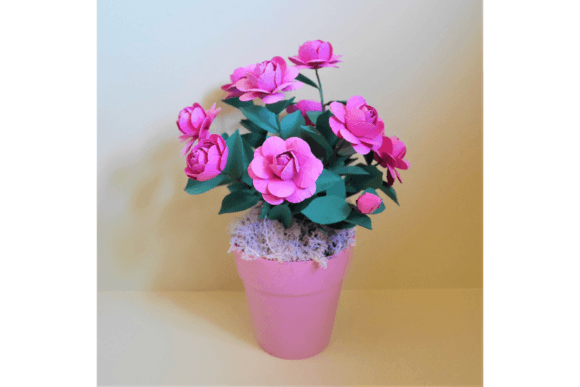
As a seasoned blog designer and digital publisher, I’m always on the lookout for high-quality graphic design assets that elevate content without overshadowing it. Recently, I reviewed the Seraphim Flower, a 3D SVG paper craft template from Maison Gregoria. The first thing that struck me was its visual delicacy — this is not just another floral asset; it’s a piece of editorial artistry with potential to enhance everything from website headers to Pinterest pins.
Ethereal Elegance That Fits Many Niches
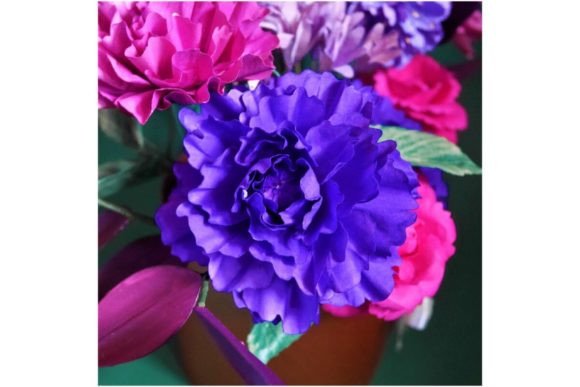
The Seraphim Flower exudes a soft, dreamlike quality that immediately sets a tone of sophistication and charm. Its intricate yet refined structure makes it ideal for niches like lifestyle, fashion, beauty, wellness, and even literary or artistic blogs. This kind of design supports an editorial mood that feels both modern and timeless — something readers can instantly connect with on a sensory level.
From a brand identity perspective, the flower adds a subtle touch of femininity and creativity without being overly decorative. It works well in visual hierarchies where the goal is to create a sense of harmony and balance. For publishers aiming to build reader trust through polished visuals, the Seraphim Flower delivers a professional aesthetic that aligns with curated, high-quality content environments.
Real-World Publishing Applications
I tested the Seraphim Flower across several real publishing scenarios, and here's how it performed:
- Blog Featured Images: Placed behind a clean headline in a Canva template, it helped draw attention to the title while maintaining a soft background presence. Perfect for articles about self-care, home decor, or personal development.
- Pinterest Graphics: When used as part of a Pinterest pin layout, the flower acted as a natural focal point, enhancing click-through potential by adding visual interest without clutter.
- Article Headers & Website Banners: The 3D depth of the SVG format allowed for smooth scaling and responsiveness, making it suitable for large hero sections or category thumbnails.
- Newsletter Banners: As an accent in a newsletter header, it created a warm and inviting feel that matched the tone of seasonal greetings or product announcements.
- Lead Magnets & Digital Guides: I placed it on the cover of a downloadable PDF guide and found it added an elegant layer of professionalism, especially when paired with minimalist typography.
- Editorial Layouts: Used sparingly as a design accent in sidebars or between paragraphs, it subtly guided the reader’s eye and broke up dense text blocks effectively.
- Digital Product Packaging: In media kits or promotional materials for online courses, the flower supported a cohesive brand identity by reinforcing themes of grace and creativity.
Enhancing Content Performance with Visual Impact
One of the key strengths of the Seraphim Flower lies in its ability to support stronger first impressions. In the fast-paced world of digital publishing, where users scan before they read, having a compelling visual element can make all the difference. The flower doesn’t just look pretty — it communicates quality and care, which are essential for content marketing and affiliate marketing efforts that rely on aesthetics to drive engagement.
Its versatility also allows for better click-through potential. On social media previews and article thumbnails, the asset stood out in a way that encouraged curiosity. When combined with thoughtful color palettes and clear headlines, it contributed to a more consistent and recognizable visual identity across platforms.
Where the Seraphim Flower Shines Brightest
This design asset excels in contexts where elegance and subtlety are desired. Here are some of the best use cases based on my testing:
- Hero Images: Ideal for landing pages or post intros where you want to evoke emotion and set a luxurious tone.
- Category Thumbnails: Adds a signature motif to blog archives or portfolio sections, helping improve category recognition.
- Printable Designs: Works beautifully in printable planners, greeting cards, or educational worksheets that aim to blend functionality with style.
- Newsletter Headers: Provides a unique visual anchor for email campaigns, especially those targeting a creative or lifestyle audience.
- Digital Ads: Can be integrated into ad banners for niche markets such as wedding planning, handmade crafts, or interior design services.
- Affiliate Content Visuals: Enhances the appeal of affiliate blog posts or product pages related to self-improvement, beauty, or home goods.
Use with Care in These Situations
While the Seraphim Flower is undeniably beautiful, there are situations where it might not be the best fit. Be cautious when using it in:
- Small Mobile Thumbnails: The fine details may become lost at lower resolutions, reducing its impact.
- Text-Heavy Blog Images: If your graphic needs to prioritize readability over decoration, consider simplifying or using it as a border element rather than a central feature.
- Low-Contrast Backgrounds: The soft pastel tones of the flower could get washed out if not properly contrasted against the background.
- BUSY LAYOUTS: In designs already packed with icons or images, it may compete for attention rather than complement the layout.
- Corporate or Minimalist Websites: Though adaptable, the ethereal nature of the asset may clash with a very structured or serious brand identity.
Publisher Tips for Maximum Effectiveness
To ensure the Seraphim Flower integrates smoothly into your publishing workflow, keep these practical notes in mind:
- Test Across Devices: Always preview the design on both desktop and mobile screens to confirm legibility and scale.
- Thumbnail Testing: How it appears in a thumbnail is often more important than the full-size image. Make sure the shape remains identifiable at smaller sizes.
- Headline Integration: Place it beside or beneath your headline to maintain a clear visual hierarchy without distraction.
- Font Pairing: Try pairing it with serif, sans-serif, script, handwritten, and display fonts to find the most harmonious combinations.
- Color Contrast: Evaluate its visibility against different background colors to avoid issues with readability.
- Black and White Preview: Since many platforms compress or convert images to grayscale, test the flower in monochrome to see if it still conveys its intended mood.
- Web Performance: Check file size and optimize accordingly. SVG files are typically lightweight but should still be compressed for faster loading times.
- Licensing: Confirm the commercial license allows for use on monetized sites, affiliate pages, and paid digital products before deployment.
Why You Should Consider Adding It to Your Toolkit
In the realm of blog graphics and editorial design, consistency and polish are crucial. The Seraphim Flower offers a unique opportunity to infuse your site or digital resources with a signature visual element that reflects thoughtfulness and artistry.
For small business branding and creative entrepreneurs, this asset can serve as a repeating motif that strengthens your brand identity across multiple touchpoints. Whether you're designing a new lead magnet or updating your web design, the Seraphim Flower brings an ethereal charm that resonates with audiences looking for inspiration, beauty, and a hint of luxury.
Final Thoughts on the Seraphim Flower in Real Projects
After integrating the Seraphim Flower into various design assets for a content-driven blog, I can confidently say it enhances the overall creative design experience. It’s a versatile paper flower that works well in both print and digital formats, making it a solid choice for publishers who value aesthetics and intentionality in their visual communication.
If you're working on a digital download or a collection of printable designs, this 3D SVG is worth considering. Just remember to balance its ornate beauty with clarity and purpose — because in the end, the goal is to create website presentation that speaks to your audience and supports your message with grace and precision.